 +919979891672



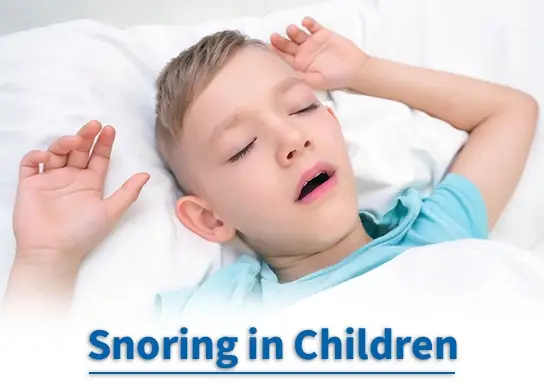
The majority of parents see their children snoring while they are asleep and think nothing of it. However, snoring is not always a harmless occurrence for children. In fact, snoring could indicate that a child is having difficulty with their breathing while sleeping. Unlike adults, children usually do not snore due to unknown reasons. Continuous snoring in the child may be due to obstruction in the airway, adenoid issues, or an ENT sleep disorder. When parents recognize the early warning signs of snoring in their children, they will have a better opportunity to intervene before their child’s sleep quality, learning potential, and growth are affected.
Snoring in Children: Warning Signs Parents Should Not Ignore
When children snore during sleep, they are struggling to breathe; the narrowing of the airway creates sound by causing airflow to vibrate. The sound produced by the snoring can vary depending on how much airflow is being restricted by the structure of the airway. While occasional snoring may occur due to respiratory illnesses (viral or bacterial), persistent snoring (more than three days or nights in a row) should prompt a visit to the physician. Evaluating children regularly will help to prevent potential long-term developmental and sleep-related issues.
Snoring in Children Develops Due to Airway Blockage and Sleep Disruption
Pediatric snoring can occur due to a variety of conditions. The most prevalent is enlargement of the adenoids and/or tonsils, which obstruct the passage of air into the nose and throat.
There are other potential contributing factors to pediatric snoring, including:
- Chronic nasal allergies result in a buildup of mucus in the nasal passages
- A deformed nasal septum can obstruct the flow of air to the lungs
- Airway constriction caused by obesity
- Recurrent upper respiratory infections
When the airway is obstructed, the airflow will be restricted, causing increased turbulence as well as increased snoring during deep sleep due to increased relaxation of the muscles.
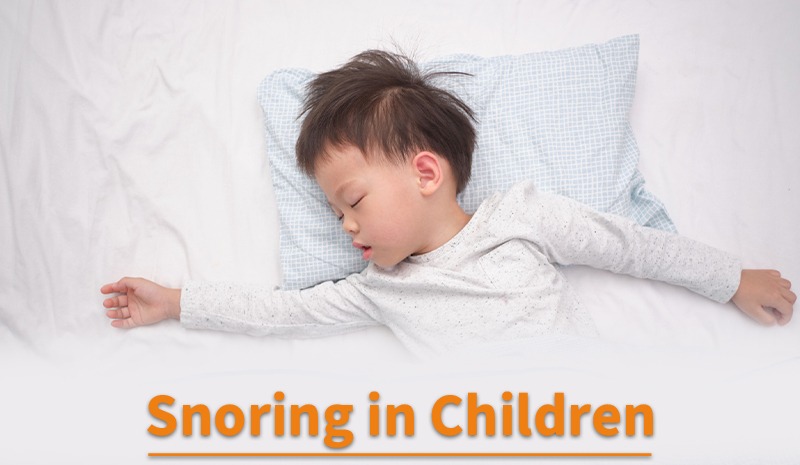
Persistent Snoring in Children Signals Underlying Health Concerns
Frequent nighttime snoring is usually indicative of an underlying problem that should not be overlooked by parents when it is excessive or uninterrupted. Indicators include the following:
- Snoring is being produced louder than typical inputs
- Sleeping with a mouth open (i.e., breathing through the mouth)
- Stops breathing while sleeping
- Sleep patterns showing signs of restlessness
- Older children experience bedwetting
These signs typically indicate the possibility of developing an ENT child sleep disorder. Having a child evaluated early will help protect him/her from developing more serious conditions later on.
Snoring in Children Affects Sleep Quality, Behavior, and Growth
Sleep promotes physical, cognitive, and behavioral development. However, children who snore may experience interruptions to their expected sleeping pattern due to breathing problems and ultimately may have a reduction in oxygen levels during these times when breathing is compromised.
Children may experience several daytime consequences, such as:
- Sleepiness
- Poor attention span
- Hyperactivity
- Feeling irritable
- Difficulties in learning
Continuous release of sleep growth hormone occurs primarily during deep sleep. When a child’s sleep is interrupted, this can impact growth and overall development. Ultimately, long-term sleep disruption will have an impact on emotional regulation.
Occasional Snoring in Children Differs From Chronic Snoring
Not all cases of snoring indicate a medical condition. In some instances, snoring may be attributed to a recent cold or other causes of nasal congestion. The cold or nasal congestion will resolve, which, in turn, will normally fix the snoring.
Chronic snoring is defined as being present at least five nights per week for a minimum of two weeks. Chronic snoring generally indicates a narrowing or blockage of the upper airway.
The parent of a child experiencing chronic snoring should closely monitor how long it has been happening, how frequently it has happened, and whether there are other symptoms accompanying the snoring. If the snoring occurs regularly and is preceded by the development of the aforementioned symptoms, the child should be evaluated by an ENT physician.
ENT Specialists Diagnose Snoring in Children Through Structured Evaluation
To diagnose sleeping disorders, an exhaustive collection of sleep histories is collected from patients by ENT physicians. Questions will focus on how often patients snore, how frequently they have breathing pauses during sleep, and their overall sleep behaviors (e.g., level of alertness).
ENTs can use the following types of evaluations:
- A physical examination of the nose & throat
- Nasal endoscopy examination to look for problems associated with the adenoids
- Ear exam for fluid buildup
- Hearing tests, if necessary
- Sleep study only as indicated
Nasal Endoscopy allows a view of the airway directly and can be done in order to identify the true structural position or enlargement of the adenoids.
Medical and Surgical Treatments Address Pediatric Snoring Causes
The type of treatment depends on the type and the cause of the condition, as well as the severity of the issue. Mild cases tend to be treated medically.
There are various methods for treating with medication; these include:
- Nasal Corticosteroid Sprays
- Treatments to reduce allergens
- Treatments for any sort of infection
- Advice on how to manage body weight
Surgical intervention may then be necessary should there continue to be obstructive issues. Adenoid/tonsil removal often improves airflow and sleeping habits.The purpose of most treatments is to restore normal nasal breathing and improve the quality of sleep. Follow-up care is essential for ongoing positive results.
Snoring in Children May Indicate a Serious Sleep Disorder
A person who snores chronically has an increased risk of developing obstructive sleep apnea. Obstructive sleep apnea is a sleep disorder characterized by periodic cessation of breathing while sleeping.
Symptoms that indicate this potentially serious condition include:
- Gasping for air or choking sounds
- Often waking up at night
- Waking up with headaches in the morning
- Poor performance in school
If left untreated, sleep apnea places undue stress on the heart and damages cognitive development. It is important to obtain early intervention for children’s sleep disorders due to potential complications.

No Comments