 +919979891672



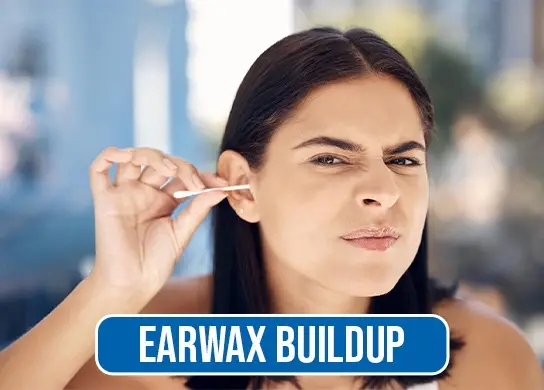
Earwax is the ear’s natural weapon against dust, dirt, and infections. It catches the damaging particles and creates a safe environment. The problem arises when Earwax Buildup becomes so large or becomes a solid that some people use the wrong cleaning methods that push the wax deeper and cause pain or hearing loss. This guide is Ear Cleaning Tips, Safe Ear Cleaning, Wax Removal Tips, and ENT Care that keeps your ears safe.
Earwax Buildup
Common Reasons for Earwax Buildup
- Narrow or curved ear canals
- Using earbuds and hearing aids daily
- Excessive earphone or earplug use
- Overcleaning with cotton buds
- Skin conditions like eczema
Ignoring these factors can lead to Impacted Earwax, which increases the risk of infections and ear pain.
Symptoms That Suggest Earwax Buildup
At first, you might not realise that something is going wrong. The accumulation of wax is a gradual process. Keep an eye out for those symptoms:
- Sudden hearing loss
- A feeling of a clogged or full ear
- Persistent itching
- Ear pain or discomfort
- Tinnitus-like buzzing
- Dizziness in severe cases
Any of these signals can be an indication of Infected Earwax. At this point, Safe Ear Cleaning becomes an essential matter.
Dos for Healthy Ear Care
Allow your earwax to function naturally
Wax is being moved outside of the body without anyone’s help. Our ear canals are self-cleaning. Most people are not in need of any special cleaning for maintenance.
Clean only the external part of the ear
A soft cloth can be used to clean the outer ear. Dust gets removed by this simple habit, and the dirt doesn’t enter the canal.
Permissible to use softening drops
Olive oil drops or pharmacy ear drops can help you solve the problem of Earwax Buildup by softening it. These drops eject the hardened wax and lessen the closure of the ear canal.
Keep drinking water
If you provide your body with enough water, the skin inside your ears will become healthy. Well-moisturised skin is less prone to wax that is dry and impacted.
Respect the advice of an ENT specialist
If you are a person who frequently suffers from wax blockages, you should see an ENT specialist for regular checkups. Professional care is a good preventive measure against Impacted Earwax.
Don’ts to Avoid Ear Problems
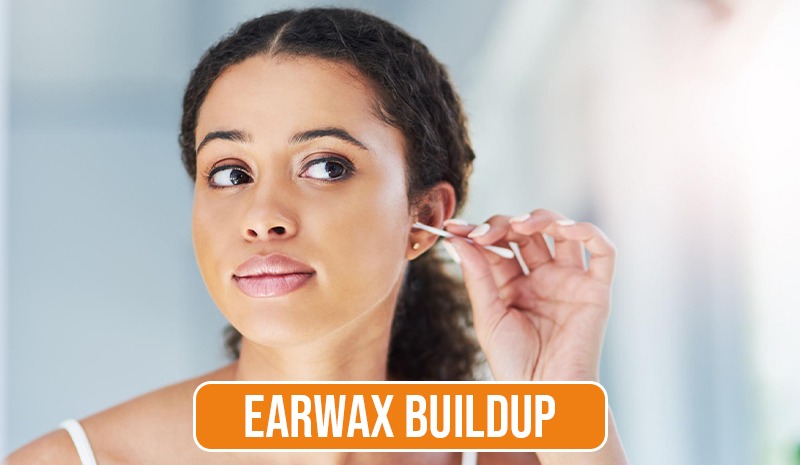
Don’t put cotton buds into your ears
Cotton buds deepen the wax by pushing. They might cause scratches in the canal, which could eventually lead to infections. This damaging habit does you more harm than good.
Don’t utilise sharp objects
There are some people who use hairpins, keys, or pens for purposes that are not meant for them. These things can hurt the ear canal or the eardrum. Even minor injuries can become infected later on.
Don’t excessively clean your ears
Over-cleaning gets rid of the protective oils. The ear reacts to it by generating more wax.
Don’t use ear candles
There is no scientific proof that ear candling is beneficial. The skin can be burnt, or the candle wax can get into the canal.
Don’t be blind to sudden blockage
A sudden change in hearing should not be ignored. Proper Wax Removal Tips from a trained specialist are needed in case of Impacted Earwax.
Safe Ear Cleaning Tips You Can Follow at Home
The following are ways to keep your ears clean and safe from damage to the canal.
Use temperature-controlled water during showers
Let the water that is not too hot or too cold roll over the ear. Don’t insert water into the ear. Following your shower, be sure that you dry your ears with a clean towel.
Use a saline rinse when you feel a slight discomfort
Rinsing with saline solution is a comforting and gentle method in case of irritation. Besides that, it cleans the entrance of the ear.
Put softening drops if you have a wax that is difficult to remove
When wax is too thick or too dry, you need to soften it by using some safe drugstore drops, which soften wax. The use of these drops greatly lowers the possibility of Impacted Earwax.
Take off your earbuds for a while
Continued use of earphones may cause the production of sweat in the ear, and thus, the wax movement will be hindered. Make an appointment with your ears for the coming hours in which they will be ventilated.
When Should You Avoid Self-Cleaning?
There are times when doing home cleaning is not a safe option:
- You have diabetes
- You had surgery on your ear
- You have a hole in your eardrum
- You feel an extreme pain in your ear
- There is bleeding or liquid discharge from the ear
Safe Ear Cleaning in such situations has to be done by a professional.
Professional Earwax Removal: What to Expect
ENT Ear Care has procedures that are safe and do not cause trauma, which accomplish the goal of removing wax. There are several commonly used methods:
Microsuction
Under direct vision, a soft suction device removes the wax. It is particularly effective for Impaction or sticky wax.
Irrigation
Warm cleansing water is used to remove soft wax. It can only be done when the eardrum is not perforated.
Curettage
A small loop instrument under the guidance of a specialist is used to help remove the most difficult wax.
Such methods make it less likely that one will get an infection or hurt themselves. They are far safer than home tools.
Wax Removal Tips for People Who Get Frequent Buildups
Some people naturally produce more wax. These habits help:
- Refrain from using cotton buds
- Use softening drops daily
- Keep your ears Free of moisture
- Limit the use of earphones
- Visit an ENT twice a year
These steps reduce Earwax Buildup and maintain healthy ears.
Earwax Myths You Should Stop Believing
Myth 1: Earwax is dirty
Fact: Wax protects your ears.
Myth 2: Clean ears must be empty
Fact: A small amount of wax is normal.
Myth 3: Cotton buds are safe
Fact: They push wax deeper.
Myth 4: Earwax always causes hearing loss
Fact: Only excessive wax blocks sound.
Correcting these myths helps people practice Safe Ear Cleaning without fear.
How to Prevent Impacted Earwax
Preventing blockage is easier than removing it. Follow these steps:
-
Avoid inserting objects
-
Keep the ear canal dry
-
Clean the outer ear only
-
Use drops if you feel dryness
-
Take breaks from earbuds and earplugs
These habits support natural wax movement.

No Comments