 +919979891672



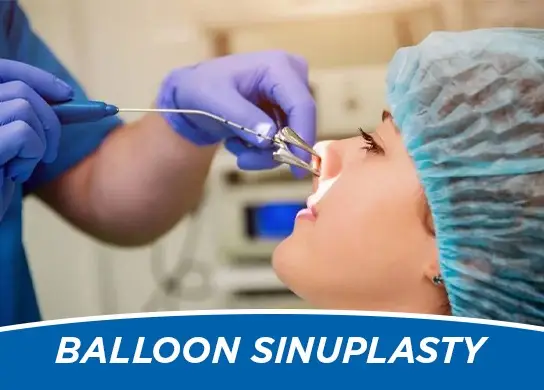
Living with nose congestion, constant pain in the face, and multiple infections/discharges over the years has disrupted many people’s daily routines. Because numerous individuals suffering from chronic/severe symptoms of the sinuses have expressed a desire to be free of these nuisances, Balloon Sinuplasty was created as a new treatment option for these patients. It uses a small balloon-like device that gently opens the painful and inflamed sinuses, creating an opportunity for patients to achieve a longer-term cure from chronic sinusitis while recovering faster and experiencing fewer risks from traditional surgical procedures.
Balloon Sinuplasty for Chronic Sinusitis: A Modern ENT Sinus Treatment
Balloon Sinuplasty Works by Opening Blocked Sinus Pathways
Using a small flexible balloon catheter, balloon sinuplasty uses a balloon placed into the sinus opening by an ENT (Ear, Nose, and Throat) specialist. The balloon will be inflated to gently stretch the sinus out to a wider size to allow natural drainage to occur with ease.
After dilation has occurred, the balloon will be deflated and then removed. The opening of the sinus remains open, allowing for normal removal of mucus. Better airflow reduces the amount of pressure and potential for infection.
This newly formed sinus opening has preserved its natural structure instead of being cut/removed through cutting or tissue removal as in traditional surgeries. The technique is characterised by precision and control.
Balloon Sinus Dilation Suits Selected Patients With Chronic Sinusitis
ENT evaluation determines if a patient is appropriate for Balloon Sinus Dilation. Its procedure is indicated for patients with specific types of sinus blockages.
Common characteristics of appropriate candidates for balloon sinuplasty may include:
- Having chronic sinusitis for longer than 12 weeks
- Experiencing facial pressure or fullness
- Having recurring sinus infections
- Demonstrating a sinus blockage that is visible on imaging studies
- Having an insufficient response to medications to alleviate their symptoms
Patients who present with nasal polyps or have extensive disease may require other forms of treatment, and ensuring proper candidate selection will produce the best results for both treatment and symptom improvement.
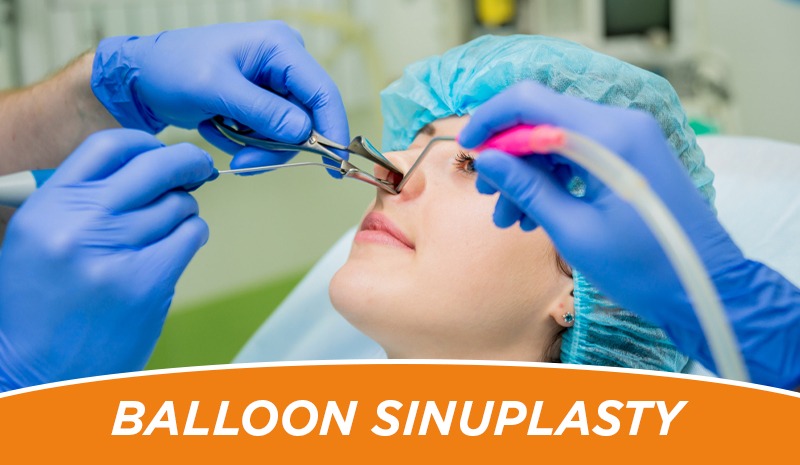
Balloon Sinuplasty Provides Lasting Relief From Chronic Sinus Symptoms
Sinus infections cause a persistently congested face, causing headaches and post-nasal drip. Sinus surgery through balloon sinuplasty physically opens inflamed sinuses and improves their ability to drain.
Patients who have undergone Balloon Sinuplasty experience:
- Decreased facial pain
- Fewer sinus infections
- Improved breathing through their nose
- Better quality of sleep
- Less reliance on medications
Research indicates that there is long-term improvement of symptoms for many of these patients. Continued ENT care will help maintain symptom relief.
Balloon Sinuplasty Offers a Safe and Minimally Invasive Solution
Balloon Sinuplasty presents several advantages with regard to safety compared to traditional surgery, and there are minimal risks associated with the use of this technique.
Advantage includes:
- No bone or tissue removal.
- Minimal bleeding
- Decreased risk of infection
- Maintains the anatomy of the sinuses
ENT physicians typically perform this procedure with either local or general anesthesia, and it is often performed in a facility that provides outpatient services. Patients typically leave the facility and return home on the same day as their procedure.
ENT Specialists Perform Balloon Sinus Dilation Using Guided Precision
ENT specialists utilize the combination of both imaging techniques and endoscopes for guidance during the procedure. This allows accurate placement of the inflatable device (the “balloon”) within the patient’s anatomy, as well as safeguarding surrounding anatomical structures.
The steps of this procedure are:
- Introduction of the nasal endoscope;
- Placement of the balloon catheter;
- Controlled inflation of the balloon;
- Dilation of the sinus opening; and
- Removal of the balloon.
Usually, this process is completed within an hour, and patients experience very little discomfort due to advances in both technology and equipment.
Balloon Sinuplasty Allows Faster Recovery and Minimal Downtime
Compared to conventional surgeries, recovery time is shorter. Generally, a majority of patients can return to their day-to-day routine activities in a day or two.
Recovery has the following characteristics:
- Slightly congested nostrils
- Minimal pain or tenderness
- Little, if any, nasal packing following surgery
- Rapid return to work
It is also recommended that all patients use a saline nasal rinse following their procedure. Follow-up appointments for monitoring your recovery will occur. The majority of patients experience an improvement within several days after surgery.
Balloon Sinus Dilation Differs From Traditional Sinus Surgery Approaches
Surgical procedures for sinus issues previously only involved removing tissue and/or bone. The main difference with balloon sinuplasty is that it only dilates the sinus openings. Because of this, the method of recovery will vary due to the differences in how each procedure is performed.
Key highlights of comparison:
- Balloon sinuplasty preserves anatomy
- Traditional surgery reshapes sinus structures
- Balloon procedure causes less trauma
- Recovery time remains shorter
Both procedures have their place in treating Sinus disease. Which option is best will be dependent on the severity of the disease and anatomy.

No Comments